By Shane Pacheco
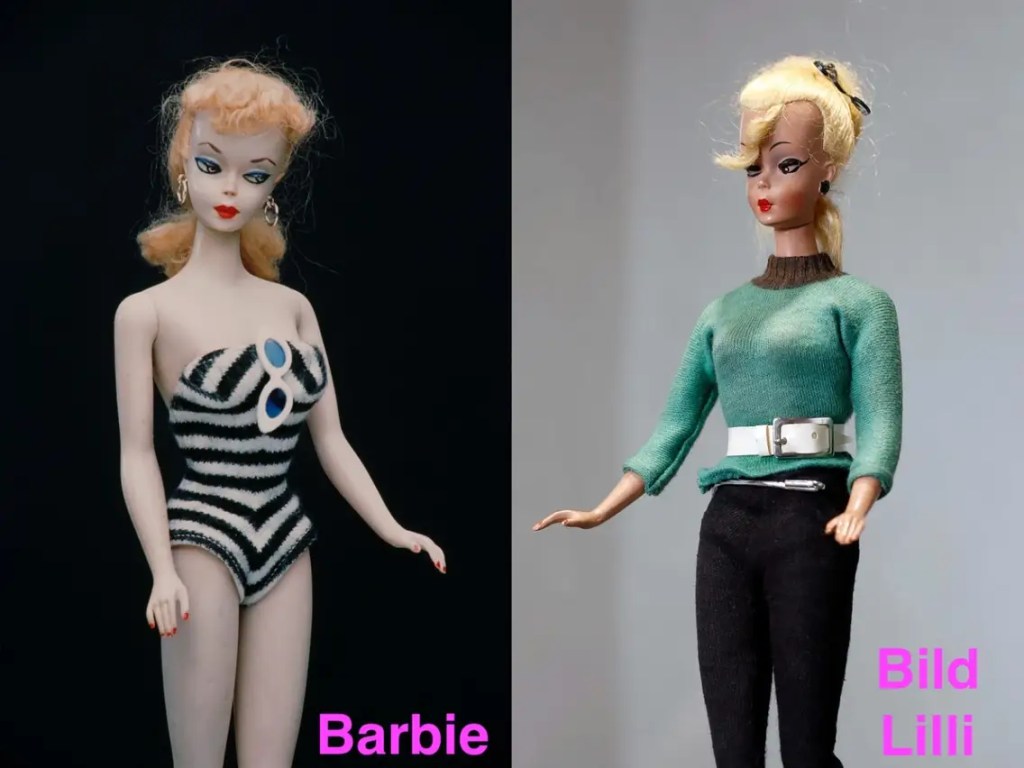
In 1959, Ruth Handler created a doll based on a famous German doll named Lilli. Inspired by Lilli, she created the doll as a much more child friendly, Americanized alternative. She named the doll Barbie, creating a multi-generational icon whose likeness inspired generations of young girls. Throughout the decade Barbie has been produced, she has been prominently featured in many roles that women have been barred from or discriminated against for participating in. She has been featured as a doctor, an astronaut, a business owner, and even a UNICEF ambassador! Millions of women and girls around the world have been inspired by her, but has this always been the case?
Contradicting the many positive views of the iconic figure, Barbie has also been seen as a symbol of negative body image. For generations, she has been depicted as a thin white woman, with a humanly unattainable figure that distracts from her creator’s goals. Many women label Barbie and her signature pink brand as toxic and encouraging unhealthy views of women’s bodies.
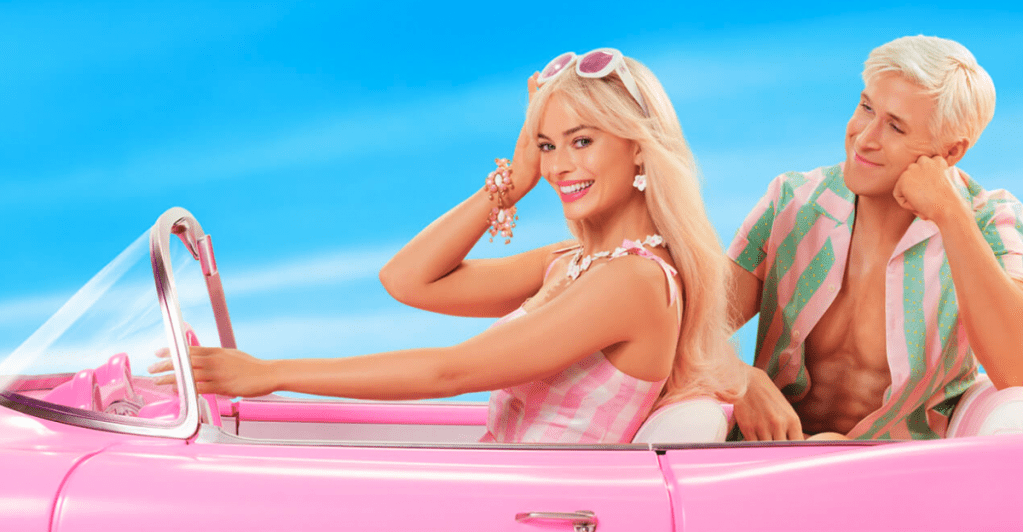
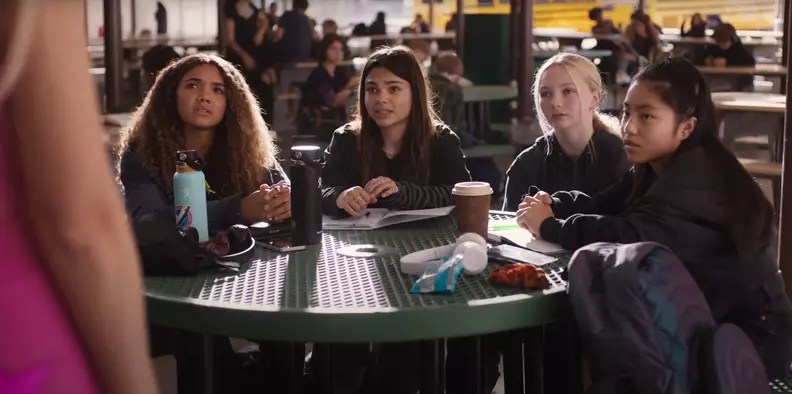
In 2023, the live-action film “Barbie” addressed this issue directly. Barbie, portrayed by Margot Robbie, presents herself to a young group of girls. She assumes they will love her and thank her for her help in making the real world a better place for women, as she’s been told by others in the isolated Barbieland. Instead, one of the girls, named Sasha (played by Ariana Greenblatt), demeans Barbie and tells her that not only does she not believe she is the doll, but that Barbie has made the world a horrible place for women. She claims Barbie has “set the feminist movement back fifty years,” and ruined young girls’ self-esteem. She also points out that Barbie and Mattel promote toxic consumerism. At the end of Sasha’s speech, Barbie excuses herself in tears.
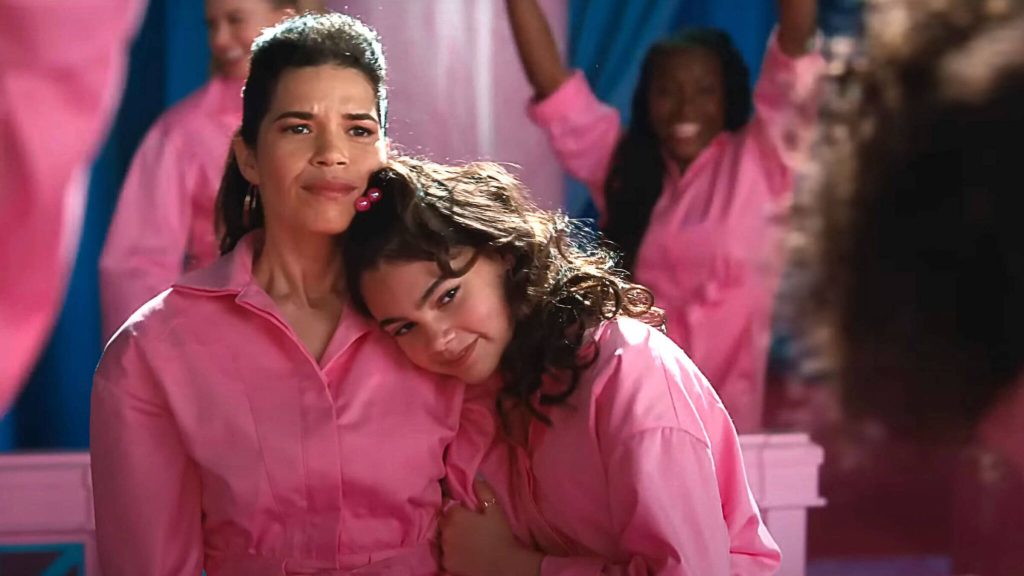
Sasha is meant to criticize the Barbie brand. However, her viewpoint changes throughout the film. At the beginning of the final act, Barbie’s home, called Barbieland, is ripped away from her and turned into a place of toxic masculinity. She breaks down, and instead of acting against the overthrowers, cries on the ground. Eventually, the two, along with Gloria, Sasha’s mother (played by America Ferrera), head to Weird Barbie’s house. There, Gloria delivers an impactful speech that drives the Barbies to action and frees Writer Barbie from the mind-washing that occurred when Barbieland was taken over.
In her inspirational spiel, Gloria states, “It is literally impossible to be a woman.” This striking line leads into a gut-wrenching speech that features another incredibly valuable line. “You have to be thin, but not too thin. And you can never say you want to be thin. You have to say you want to be healthy, but also you have to be thin.” This line perfectly touches on the body positivity discussion around Barbie. Barbie, a doll who represents a woman, is subjected to extreme criticism of her body. Her goals and career are undermined by her waist and size.
“I’m just so tired of watching myself and every other woman tie herself into knots so people will like us. And if all of that is also true for a doll just representing women, I don’t even know.” Gloria finishes her speech, adding another wonderful point to her amazing speech. Is the obsession with Barbie’s body not just another example of the fixation with women’s looks? Although it is widely agreed that it is insanely difficult, if impossible, to be healthy and obtain Barbie’s unrealistic body type, it also speaks to the fascination with women’s appearance.
This film is widely acclaimed by many feminists, mothers, girls, and allies alike for its powerful message and impactful story. However, it has also received harsh criticism, a lot of that coming from many self-proclaimed “alpha males” for its messages regarding patriarchy. The film has been criticized online by many men who claim the film is anti-male, but I challenge them to watch the film in its entirety, without interrupting, and listen to its message. The ending proclaims that neither a matriarchy or a patriarchy would leave anyone fulfilled. It explains that while women are not defined by their bodies or looks, men are not defined by only their material possessions and how much female attention they get.
To conclude, I believe that this film beautifully portrays women as strong, competent, and amazing people. They can solve problems and acknowledge faults and how they negatively impact the world. That is what this movie is meant to do, right the wrongs that Barbie may have made with her effects on women. I left the theater with only two thoughts; I wanted to do whatever I wanted and do it in pink, and I wanted to tell all of the women in my life to do the same.
 The Palette
You must be logged in to post a comment.